In order to address the unique challenges faced by aging populations, it’s crucial to comprehend the demographics associated with hearing loss in older adults. Key statistics and demographic information include:
Alongside hearing challenges, older adults may face communication breakdowns due to cognitive decline or memory loss. The impact on an individual’s quality of life and social engagement is critical when considering support for aging populations.
Audiologists play a critical role in identifying and mitigating the adverse effects of hearing loss on older adults. They perform a variety of tasks to support aging populations, including:
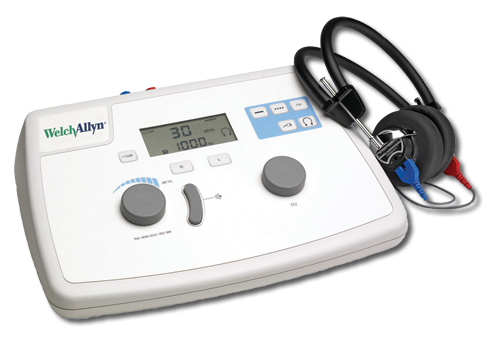
Audiologists are trained to conduct comprehensive assessments of individuals’ auditory abilities to identify any hearing issues. They use various tests and tools to determine the extent of hearing loss and determine the most appropriate interventions and treatments.
After diagnosing hearing loss, audiologists provide recommendations on suitable hearing aids and assistive listening devices tailored to patients’ needs. They also fit these devices properly to ensure optimal hearing improvement and patient comfort.
In addition to fitting devices, audiologists offer personalized communication strategies and training to both the individual experiencing hearing loss and their support networks. This often includes speech reading, listening techniques, and adapting communication styles to accommodate the limitations of hearing loss.
Patient advocacy is another significant aspect of an audiologist’s role, as they work to ensure individuals facing hearing loss receive proper services and support in various settings, such as healthcare facilities, family gatherings, and public spaces.
Audiologists collaborate with other healthcare professionals, including physicians, speech-language pathologists, and occupational therapists, to address the diverse needs of older adults comprehensively. This multidisciplinary approach promotes interconnected, holistic care to enhance the well-being of individuals experiencing hearing loss.
In short, the expertise and dedication of audiologists are vital not only in assessing and diagnosing hearing loss but also in providing personalized care, treatment, and support. By working together with various healthcare professionals and the older adult’s support network, audiologists continue to make significant contributions to improving the quality of life for aging populations facing hearing challenges.
Addressing hearing loss in aging populations requires a multidisciplinary approach that tackles the physical, social, and psychological aspects of reduced auditory function. The following key components form the foundation of this guiding philosophy.
A thorough analysis of a senior’s auditory abilities is the first step toward addressing hearing loss. Comprehensive hearing exams may include:
Depending on the identified issues, older adults may benefit from a range of hearing devices, including:
Beyond technology, communication strategies play a vital role in improving social interactions and daily life for seniors with hearing loss. These may involve:
Consistency in care is essential, with regular follow-up visits to reassess hearing levels, monitor device usage, and adjust treatment plans as necessary. Audiologists may also:
The social and psychological impacts of hearing loss often extend beyond the individual, affecting their family and social networks. Interventions may target:
In conclusion, addressing hearing loss in aging populations is a complex process that requires a multifaceted approach. By integrating comprehensive assessments, technological solutions, communication strategies, and continuous support, audiologists and other healthcare professionals can significantly enhance the quality of life for older adults with hearing impairment.
The field of audiology has witnessed substantial technological advancements in recent years, providing aging populations with solutions to hearing issues. Let’s explore the key developments that have transformed the auditory experience for older adults:
Evaluating the benefits of these advancements, there has been a notable impact on the cost of hearing aids. Improved manufacturing processes and economies of scale have driven prices down, making these devices more accessible to larger numbers of individuals, especially seniors living on fixed incomes.
In conclusion, the rapid advancements in hearing aid and ALD technology have revolutionized the management of hearing loss in aging populations. By choosing appropriate devices that cater to individual needs and preferences, older adults can experience improved auditory function and consequently enhanced quality of life. As research and innovations continue to progress, the future holds even more promise for better hearing solutions and support for aging populations.
To ensure that seniors receive the best possible care for their hearing issues, audiologists and other professionals involved in caring for these populations should adhere to the following best practices:
Making healthcare facilities easy to access and accommodating is crucial for individuals with mobility issues or visual impairments. Provide:
Empowering caregivers with knowledge about hearing health and how to support individuals facing hearing challenges is essential. Offer:
Building a strong network of support and resources is vital for individuals experiencing hearing issues. Some recommendations include:
Following these best practices enables older adults to continue leading fulfilling lives with hearing challenges and promotes a sense of security and confidence among those who care for them.
Collaborative care models have become increasingly popular in various fields, including audiology. These approaches favor teamwork and communication between healthcare professionals, which can greatly benefit aging populations facing hearing challenges. In the context of audiological care, these teams may consist of various professionals, such as audiologists, physicians, speech-language pathologists, occupational therapists, and social workers, as well as family members and caregivers.
By incorporating family members, caregivers, and other essential individuals in the older adult’s support network, this comprehensive approach goes beyond addressing only the hearing aspect of the patient’s issues. Instead, it addresses all aspects of the individual’s well-being to promote better overall quality of life.
It is crucial to understand that collaborative care models in audiology, as well as other healthcare fields, should continue to evolve as research sheds light on new knowledge and technological advancements. By staying informed and adapting to new best practices, audiological professionals can better support aging populations’ unique needs and enhance their overall quality of life.
The field of audiology is continuously advancing, driven by ongoing research and groundbreaking innovations. Keeping an eye on the latest developments in audiology can significantly improve the care and support provided to aging populations with hearing challenges. Here are some areas to watch for future advancements in audiology.
One of the significant areas of growth in audiology involves focusing on personalized hearing solutions. By acknowledging and catering to individual preferences and needs, hearing aid technology can be tailored to provide the best possible auditory experience. This approach emphasizes customization, offering adjustable settings to help individuals fine-tune their devices for specific environments, such as noisy restaurants or quiet living rooms.
Researchers are continually exploring noninvasive treatments or therapies to address various types of hearing loss. These treatments may include stem cell therapies, gene therapy, or other medicinal approaches. As the understanding of the genetic bases of hearing loss increases, the potential for targeted treatments and therapies also expands.
The popularity of telehealth has increased in recent years, and this trend is expected to continue in the audiology field. Remote care options can help aging populations receive assistance and insights from the comfort of their homes, without the need for traveling to healthcare facilities. This could become particularly valuable for individuals with mobility issues or those living in remote areas with limited access to audiology services.
The application of artificial intelligence (AI) and machine learning algorithms in the audiology field has the potential to revolutionize how hearing-related conditions are diagnosed and supported. AI-powered systems can analyze various aspects of a patient’s hearing, such as speech perception or noise sensitivity, and provide valuable insights for audiologists to refine their treatment plans.
As knowledge and practices in audiology continue to evolve, professionals must stay up-to-date with the latest research and technology. By doing so, they can ensure the provision of the best possible care for aging populations with hearing challenges and contribute to future generations’ improved hearing health.
Category: Audiology
© 2026 www.audresources.org. All rights reserved.