Tinnitus is characterized by the perception of sound in the absence of an external stimulus, often described by sufferers as a ringing in the ears. However, this condition can manifest in various ways, with sounds ranging from buzzing and hissing to roaring or even clicking sounds.
The temporality of tinnitus varies greatly among individuals. Some people may experience it intermittently, at times of high stress or exposure to certain triggers, while others may suffer from a persistent, continuous noise. It can affect one ear, both ears, or even the entire head, depending on the cause and severity of the condition.
Although the exact prevalence of tinnitus is difficult to determine due to the subjective nature of its symptoms, research indicates that it affects approximately 10-15% of the general population. In some cases, it may be a minor annoyance, but for others, it can significantly impact daily life, leading to stress, anxiety, and difficulty concentrating.
The experiences of tinnitus are diverse, reflecting the multitude of factors that can contribute to its development and the variety of ways in which it can manifest in different individuals. This diversity underlines the importance of seeking professional help and developing tailored strategies for managing the unique challenges posed by each person’s tinnitus.
Tinnitus can be a temporary or permanent condition, and its causes may vary from individual to individual. It is important to recognize the factors that contribute to the development of tinnitus for the identification of the most suitable treatment approach. Some of the primary causes of tinnitus include:
Hearing loss is often associated with tinnitus. The connection arises when the sensitive hair cells in the inner ear become damaged or die. Damage to these cells can occur gradually over time due to aging or exposure to loud noises. This damage can lead to temporary or permanent hearing loss, subsequently causing tinnitus.
Exposure to loud noise is another common factor leading to tinnitus. This loud noise could come from various sources, such as machinery, loud music, or firearms. Constant exposure to high volumes can lead to temporary tinnitus, while prolonged exposure can result in permanent hearing loss and tinnitus.
As we age, our bodies and bodily functions undergo various changes. The inner ear is no exception. With age, the sensitive hair cells in the inner ear may become less sensitive, die, or deteriorate, which can lead to hearing loss and subsequently tinnitus.
Earwax, or cerumen, is a natural substance that helps protect and lubricate the ear canal. However, excessive earwax buildup can cause a blockage, leading to hearing loss and tinnitus. Earwax blockage can typically be resolved with medical assistance, and the tinnitus symptoms may also improve after the blockage is removed.
Genetics can play a role in predisposing an individual to both tinnitus and hearing loss. Some people may inherit certain genes that make them more susceptible to specific conditions affecting the ear, such as hyperactivity in the hearing nerve or greater susceptibility to noise-induced hearing loss.
Certain physical conditions that affect the ear or auditory system may contribute to the development of tinnitus. These include:
It is crucial to identify the potential causes of tinnitus to determine the most appropriate treatment approach for each individual. Consulting with medical professionals and addressing any underlying physical conditions can help improve the management of tinnitus symptoms.
Tinnitus, a prevalent and distressing condition characterized by the perception of noises or ringing in the ears, can be influenced by various lifestyle factors. Understanding these factors and their impact on tinnitus can help individuals identify potential triggers and make adjustments to better manage their symptoms.
Several studies have established a connection between smoking and increased risk of tinnitus. Cigarette smoking has been found to not only exacerbate existing tinnitus symptoms but also contribute to the development of tinnitus. Reducing nicotine intake, either by cutting down on smoking or quitting altogether, may help alleviate tinnitus symptoms.
Similarly, excessive alcohol consumption can cause or worsen tinnitus due to its high sugar content and ability to dehydrate the body, negatively affecting auditory function. Reducing alcohol intake or avoiding it altogether might help individuals with tinnitus better manage their symptoms.
Caffeine is another lifestyle factor associated with tinnitus. High caffeine intake has been linked to an increased risk of developing tinnitus and exacerbating symptoms in individuals who already have the condition. Reducing or eliminating caffeine from one’s diet might help improve tinnitus symptoms.
Some medications, such as aspirin and NSAIDs, have been identified as potential contributors to tinnitus in some cases. Consult your doctor or healthcare professional to discuss your medication options and evaluate whether any of your medications may be exacerbating your tinnitus symptoms.
Stress and anxiety have been shown to play a significant role in tinnitus, as these factors can exacerbate symptoms and lead to heightened perception of the noises associated with tinnitus. Implementing stress management techniques, such as mindfulness meditation, yoga, and deep-breathing exercises, may help reduce the impact of stress and anxiety on tinnitus symptoms.
Maintaining a healthy diet, exercising regularly, and obtaining sufficient sleep are essential components of overall health and well-being, and can positively impact tinnitus symptoms. Eating a well-balanced diet rich in essential nutrients, exercising regularly to maintain cardiovascular health, and ensuring adequate sleep can play a vital role in tinnitus management.
The proper assessment and diagnosis of tinnitus are essential for determining the underlying cause and implementing the most effective treatment plan. A thorough clinical history and examination are the first steps in this process, but additional tests and advanced techniques may be required to pinpoint the source of the problem. This section will discuss the various stages of tinnitus assessment and diagnosis, exploring key diagnostic methods and the role of advanced technology in providing a comprehensive evaluation.
To start, the healthcare professional should take a detailed clinical history, asking questions about the onset, duration, and severity of the tinnitus, as well as the patient’s medical conditions, medications, and lifestyle factors that may contribute to the condition.
A thorough physical examination is also essential, with a focus on the patient’s ears, nose, and throat. This examination may include observation of the outer ear and eardrum, palpation of the jaw and neck muscles, and evaluation of the patient’s hearing ability with a tuning fork.
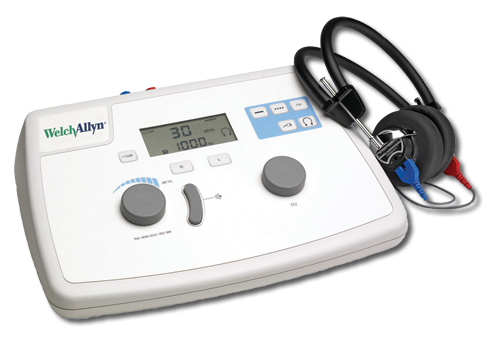
Audiometry, a standard hearing test, plays a significant role in tinnitus assessment. This test measures the patient’s ability to perceive different sound frequencies and volumes, allowing the healthcare professional to determine if any hearing loss is contributing to the tinnitus.
Tympanometry measures the function of the middle ear, including the movement of the eardrum and the conduction of sound waves by the middle ear bones. This test can help detect any obstructions, such as wax buildup or fluid, as well as identify potential problems with the eardrum or the bones of the middle ear.
In some cases, imaging techniques may be necessary to identify any anatomical abnormalities or underlying conditions that could be contributing to the tinnitus. Magnetic resonance imaging (MRI) and computed tomography (CT) scans allow healthcare professionals to visualize the structures of the inner ear, brainstem, and surrounding areas, which can help diagnose conditions such as Meniere’s disease, acoustic neuroma, or temporomandibular joint disorders.
For patients with severe sensorineural hearing loss, a cochlear implant may be considered for evaluation and treatment of tinnitus. Although not a cure, cochlear implants can provide significant relief by stimulating the auditory nerve and stimulating auditory pathways to reduce tinnitus sensations.
In addition to cochlear implants, other advanced techniques may be considered in the assessment and management of tinnitus. These include the use of sound therapy, hearing aids, and masking devices, as well as cognitive-behavioral therapy and stress management techniques to address the psychological aspects of the condition.
In conclusion, a thorough assessment and diagnosis of tinnitus require a combination of essential diagnostic methods and, in some cases, advanced technology to identify the underlying cause and develop an appropriate treatment plan. This process, combined with patient-directed management techniques and support systems, is vital in achieving a better quality of life for individuals experiencing tinnitus.
Tinnitus can be a challenging condition to manage, but various treatment options can help alleviate symptoms and improve the overall quality of life for those affected. Choosing the most appropriate treatment approach should be based on the patient’s specific symptoms and the underlying cause of their tinnitus. Below, we’ll discuss some standard treatments for tinnitus, including hearing aids, masking devices, and sound therapy, as well as stress management techniques and psychological interventions.
For individuals with hearing loss and tinnitus, using hearing aids can help manage their symptoms. By amplifying external sounds, hearing aids can make it easier to hear conversations and other sounds, which may overshadow the tinnitus. This reduction in effort to hear can alleviate the stress and frustration associated with the condition.
Tinnitus masking devices produce an external sound, such as white noise or nature sounds, at a comfortable listening level to “mask” the perception of tinnitus. These devices can help individuals to focus less on the tinnitus and on other external sounds, which can alleviate the distressing nature of the condition.
Sound therapy involves using external sound sources, such as tabletop sound generators, speakers, or bedside sound machines, to provide soothing background sounds. This can help distract the individual from their tinnitus and improve sleep quality. In many cases, music therapy is also used as a form of sound therapy to help individuals manage their tinnitus.
Stress and anxiety can exacerbate tinnitus symptoms. Learning to manage stress can be an effective approach to reducing the impact of tinnitus in a person’s life. Techniques such as deep breathing, progressive muscle relaxation, and visualization can help individuals cope with stress and, consequently, their tinnitus.
Cognitive-behavioral therapy, a type of psychological therapy, aims to change negative thoughts, feelings, and behaviors related to tinnitus. It focuses on understanding the psychological factors contributing to tinnitus perceptions and beliefs and promoting adaptive coping strategies. CBT has shown to be effective in reducing the distressing nature of tinnitus.
Mindfulness-based stress reduction is a structured program that teaches individuals to develop a non-judgmental awareness of their thoughts, emotions, and body sensations, which can help reduce the stress and anxiety associated with tinnitus. MBSR has been found to be beneficial for some individuals with chronic tinnitus, as it focuses on accepting and living with the condition rather than trying to eliminate it.
Acceptance and commitment therapy is another psychological intervention approach that helps individuals accept their tinnitus, rather than trying to fight against it or avoid it. ACT promotes identifying values and committing to actions that align with these values, putting tinnitus into perspective and focusing on living a meaningful life despite the condition.
In summary, treating tinnitus involves implementing an appropriate combination of medical interventions, coping strategies, and lifestyle adjustments tailored to the individual’s needs. By understanding the available treatment options, those with tinnitus can work closely with healthcare professionals to find an effective treatment plan that improves their overall well-being and quality of life.
As researchers continue to delve deeper into understanding tinnitus and its impact on individuals, a new wave of innovative treatments has emerged. These therapies, primarily driven by technological advancements, aim to target the root causes of tinnitus and provide relief to patients struggling with the condition. Repetitive transcranial magnetic stimulation (rTMS), vagus nerve stimulation (VNS), and transcranial direct current stimulation (tDCS) are examples of these novel techniques, which have the potential to transform the treatment landscape for tinnitus.
Transcranial magnetic stimulation, or TMS, is a non-invasive technique that involves the use of magnetic fields to stimulate nerve cells in the brain. According to a 2019 article published in the New England Journal of Medicine, TMS has shown promise in alleviating tinnitus symptoms by modulating brain activity in the auditory cortex. However, more research is necessary to establish its long-term efficacy and safety.
“TMS offers an exciting possibility for treating tinnitus,” says Dr. Michael Land, who specializes in audiology and tinnitus management. “By targeting specific brain regions, it may be possible to reduce or even eliminate the distressing sounds experienced by some patients.”
Understanding the potential advantages of TMS over traditional treatments, including surgery and medication, could pave the way for more effective and tailored therapies in the future.
Repetitive transcranial magnetic stimulation (rTMS) is a variation of TMS that involves the application of magnetic pulses over prolonged periods. This method aims to alter neural connectivity and reduce the intensity of tinnitus symptoms. Recent research has suggested that rTMS can lead to sustained improvements in tinnitus severity, as highlighted in a study published in the Journal of Clinical Medicine.
“The goal with rTMS is to retrain the brain to reduce the perceived volume of the tinnitus, thereby providing relief to patients,” explains Dr. Land. “To achieve the best results, careful calibration and customization of the magnetic fields is required.”
Vagus nerve stimulation (VNS) is an implantable device that sends periodic electrical pulses to the vagus nerve in the neck, which is connected to numerous regulatory processes in the body. Though primarily used to treat epilepsy and depression, researchers have observed reductions in tinnitus symptoms following VNS treatment.
A study published in Frontiers in Neuroscience describes the potential of VNS to alleviate tinnitus by decreasing excitability in the auditory cortex. However, more research is necessary to establish VNS as a viable treatment option for tinnitus.
As novel treatments and technologies continue to emerge, individualized and personalized medicine will play an increasingly important role in tinnitus management. Paired with traditional approaches such as hearing aids and sound therapy, advanced techniques like TMS, rTMS, and VNS offer hope to individuals struggling with persistent tinnitus.
In the journey toward managing tinnitus, patient empowerment, self-management techniques, and access to support systems play a crucial role in improving overall well-being and quality of life. By engaging with professional organizations, support groups, and online resources, individuals coping with tinnitus can find guidance, information, and encouragement vital for their journey.
Empowering individuals with tinnitus means equipping them with the knowledge, skills, and resources needed to manage the condition. This involves educating them on tinnitus causes, treatment options, and self-care techniques. By taking an active role in their own care, patients become more confident and capable of handling their symptoms and improving their quality of life.
“Patient empowerment allows individuals to make informed decisions about their healthcare, thereby increasing their ability to cope with tinnitus.”
One of the key components of patient empowerment is self-management, which involves techniques such as relaxation, distraction, cognitive-behavioral therapy (CBT), and mindfulness practices.
Having access to support systems, such as professional organizations, support groups, and online resources, can help alleviate the negative impact of tinnitus on a person’s emotional and mental health.
For long-term tinnitus management, a holistic approach that includes medical interventions, coping strategies, and lifestyle adjustments is recommended. This involves working closely with healthcare professionals, joining support groups, and incorporating self-care practices to maintain overall well-being and improve quality of life.
“To promote comprehensive management of tinnitus, a multidisciplinary approach should be considered, which combines audiological, otolaryngological and psychological expertise.”
In conclusion, patient empowerment, access to support systems, and long-term management plans are essential components in addressing tinnitus. By seeking knowledge, sharing experiences, and engaging with resources
Category: Audiology
© 2026 www.audresources.org. All rights reserved.