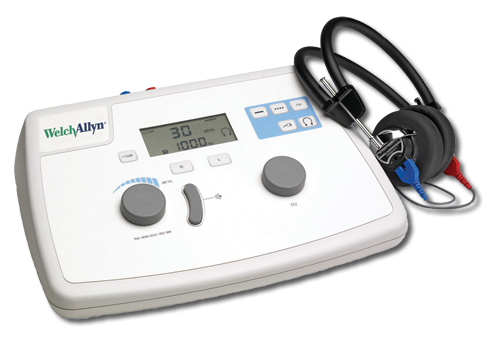
In rural and underserved regions, the availability of audiology services is often severely limited. This deficiency is due to various factors, such as a shortage of qualified audiologists, low awareness of hearing health issues, and financial constraints. It is imperative to understand the scale of this problem and its long-term effects to advocate for necessary improvements.
According to the World Health Organization (WHO), over 5% of the world’s population suffers from hearing loss, which equates to approximately 430 million people, including 34 million children. In rural areas, this percentage is even higher, with many individuals lacking access to proper diagnosis and treatment. This inequity in access to healthcare services not only impacts the individual’s quality of life but also has broader implications for the community and society as a whole.
Long-term impacts of inadequate audiology care:
Given the severity of these potential long-term impacts, it is clear that addressing the lack of audiology services in rural and underserved areas is an urgent issue. In the following sections, we will explore various strategies for improving access to quality audiology care, including the potential of teleaudiology, training local healthcare providers, and raising public awareness through education and collaborative efforts.
Access to quality audiology services in rural areas is often compromised by multiple factors, creating obstacles for those in need of hearing care. These barriers are not only geographical but also economic and cultural, significantly impacting the underserved populations in these regions.
Rural areas are characterized by vast expanses and low population densities, which can translate into long distances for residents to travel to reach specialized healthcare services. The scarcity of local audiology providers can force individuals to commute for hours to access even basic hearing services. This distance often involves traversing rural roads, which may be poorly maintained or lack adequate signage, further exacerbating the difficulty of reaching care facilities.
The cost of transportation to and from distant audiology clinics is a substantial financial burden for many rural residents. Beyond the travel expenses, the cost of audiology services themselves can be prohibitive, particularly for individuals with limited income or inadequate health insurance coverage. The price of hearing aids and other necessary devices, coupled with the expenses associated with regular appointments, can create a significant economic barrier to care.
Cultural perceptions and societal attitudes can also deter individuals from seeking audiology care. In some rural communities, there may be a stigma attached to hearing loss, leading to reluctance in admitting the need for services or treatment. Lack of awareness about the importance of hearing health and the available solutions also plays a role in underutilization of audiology services. Many residents may be unaware of the advancements in hearing technology and the potential benefits of timely intervention.
Demographic Disparities
These barriers to care do not affect everyone equally. Certain groups, such as the elderly and those living below the poverty line, are disproportionately affected. Aging populations in rural areas may have mobility issues that make travel to healthcare facilities more challenging. Additionally, lower-income individuals may prioritize immediate financial needs over healthcare, especially if they are unaware of the long-term consequences of untreated hearing loss.
In conclusion, overcoming the barriers to accessing quality audiology care in rural and underserved areas requires a comprehensive approach that addresses the geographical, economic, and cultural challenges faced by these communities. By understanding the multifaceted nature of these barriers, healthcare providers and policymakers can work together to implement solutions that improve the availability and accessibility of essential audiology services.
In rural and underserved areas, the scarcity of audiology services is a significant concern. Several strategies have been developed to address this lack of access to care:
One of the most effective ways to improve access to audiology services in rural areas is the creation of mobile clinics. These clinics bring audiological services directly to the community, reducing travel times and costs for patients who may otherwise have to travel long distances for care. Mobile clinics are equipped with the necessary audiological equipment and staffed by qualified audiologists or trained healthcare professionals, enabling them to provide a range of services:
The United States Department of Veterans Affairs, for instance, has successfully utilized mobile clinics to provide care for rural veterans with hearing impairments. These clinics have helped to increase accessibility and reduce wait times for patients in need of audiology services.
One of the main reasons for the lack of audiology services in rural areas is the low number of qualified audiologists. To address this issue, incentives can be put in place to encourage more audiologists to practice in underserved areas. Some potential incentives include:
The Health Resources and Services Administration (HRSA), for example, has developed programs to provide financial assistance for students studying audiology, with the requirement that they later practice in areas with healthcare professional shortages.
Another strategy to improve audiology services in rural communities is to establish partnerships between urban and rural healthcare providers. Urban providers can share their expertise and resources with rural providers, improving the overall quality of care. Some potential partnership opportunities include:
These types of partnerships can help to bridge the gap between urban and rural communities, ensuring that residents in rural areas have access to high-quality audiology care.
Advancements in technology also present opportunities for improving audiology services in rural and underserved areas. Telemedicine and other digital platforms can be utilized to facilitate remote consultations, thereby reducing the need for physical clinic visits. Some specific technologies and tools that can aid in improving audiology services include:
By leveraging technology, rural and underserved communities can access vital audiology services and information, ultimately improving their quality of life.
In recent years, teleaudiology has emerged as a transformative approach to delivering audiological services to individuals in remote and underserved areas. By leveraging telecommunications technology, teleaudiology has the potential to transcend geographical barriers and bring specialized care directly to patients, regardless of their location.
Teleaudiology utilizes various digital and telecommunication tools to provide a wide array of audiological services. This includes:
To facilitate these services, teleaudiology relies on advanced technologies such as:
Existing teleaudiology programs have demonstrated significant success in providing access to care for patients who would otherwise have limited options. These programs have:
Despite these achievements, teleaudiology faces certain challenges, such as:
The future of teleaudiology looks promising, with potential for:
As teleaudiology continues to evolve and expand, it represents a significant step forward in bridging the gap in access to audiology care for rural and underserved populations.
To enhance the accessibility of audiology services in rural and underserved communities, it is imperative to equip local healthcare providers with the necessary skills to recognize and manage hearing health problems. By training local medical professionals, communities can benefit from increased awareness, preventive measures, and timely interventions for hearing loss.
Organizations should develop comprehensive training programs that cater to the needs of the local healthcare workforce. These programs should aim to:
Training programs can utilize various techniques and resources to maximize learning:
Public health education plays a crucial role in raising awareness about hearing loss and its impact on an individual’s well-being. Healthcare providers, with their newly acquired audiology knowledge, can:
By training local healthcare providers in hearing health and promoting public health education, rural communities can improve access to essential audiology services, resulting in better outcomes for residents with hearing loss.
Bridging the audiology care gap in rural and underserved areas is a complex task that requires a collective approach from various stakeholders. By pooling resources and expertise, these groups can work together to improve access to quality audiology services for all.
Government agencies play a crucial role in policy-making and funding of healthcare services. They can:
“The right to health care is assured through the availability of a comprehensive system of high quality health care services, accessible to all people”
– American Speech-Language-Hearing Association
Non-profit organizations often have the agility to address specific community needs. They can:
Educational institutions can contribute to the effort by:
Private entities, including telehealth and hearing aid manufacturers, can contribute by:
According to the World Health Organization, “Early detection and intervention provides the best chance to mitigate the negative consequences of hearing loss.”
Data sharing and research are critical for informing best practices and advocating for policy changes. By collecting and analyzing data on rural healthcare access and outcomes, stakeholders can:
In conclusion, by working together and leveraging their diverse strengths, government agencies, non-profit organizations, educational institutions, and private entities can make substantial progress in closing the audiology care gap in rural and underserved areas. Through collaborative efforts, these stakeholders can ensure that all individuals have access to the quality audiological services they need to live healthy, connected lives.
Category: Audiology
© 2026 www.audresources.org. All rights reserved.