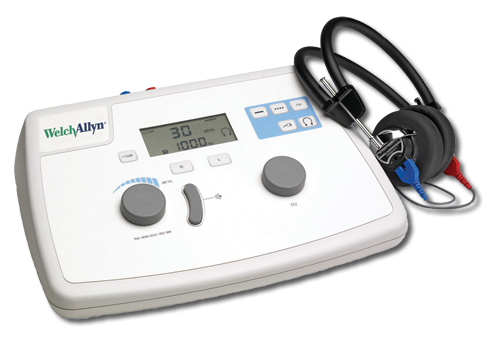
Hearing loss is a condition that affects millions of people worldwide, characterized by a decrease in the ability to perceive and interpret sounds. It can range from mild to profound, and it can affect one or both ears. The impact of hearing loss extends beyond simply missing out on sounds; it can significantly affect communication, social interactions, and overall quality of life.
The causes of hearing loss are diverse and can be broadly classified as congenital or acquired. Congenital hearing loss refers to hearing impairment that is present at birth, often due to genetic factors or complications during pregnancy. In contrast, acquired hearing loss develops later in life due to a variety of reasons, such as exposure to loud noise, aging, infections, certain medications, or other health conditions.
The structure of the auditory system makes it particularly susceptible to damage from a range of sources. The ear is composed of three main parts: the outer, middle, and inner ear. Damage to any of these areas can result in different types of hearing loss. For instance, damage to the eardrum or the bones of the middle ear can lead to conductive hearing loss, which affects the transmission of soundwaves. Sensorineural hearing loss, on the other hand, arises from damage to the inner ear’s cochlea or the auditory nerve, impairing the ability to interpret sound vibrations.
Understanding how the different parts of the auditory system function is crucial for identifying the type of hearing loss and determining appropriate treatment options. For example, a conductive hearing loss may be reversible with medical intervention, while sensorineural hearing loss is typically permanent but manageable with hearing aids or cochlear implants.
In conclusion, hearing loss is a complex condition that can stem from a variety of factors, affecting the ear’s anatomy or the nervous system. It is important for individuals with hearing loss to seek professional evaluation to determine the type and cause of their impairment and to explore the best interventions for their specific situation. With advances in technology, there are numerous solutions available to help those with hearing loss maintain an active and fulfilling life.
Understanding and addressing hearing loss in infants and toddlers is crucial for their language development and overall cognitive abilities. This early stage of life is when the foundation for communication and learning is laid.
Hearing loss in the pediatric population can vary greatly. It can range from mild to profound and can affect one ear or both. The types of hearing loss in infants and toddlers include:
Early detection of hearing loss is essential. Newborn hearing screenings are a critical first step in identifying potential issues. If a potential hearing loss is detected, it is important to follow up with a comprehensive audiological evaluation to confirm the diagnosis and determine the type and degree of hearing loss.
Early intervention is key to minimizing the impact on a child’s development. The first three years of a child’s life are a critical period for speech and language development. Catching and addressing hearing loss during this time can make a significant difference in a child’s ability to learn language and communicate effectively.
Hearing loss in infants and toddlers can significantly affect their ability to learn language. If a child cannot hear sounds and speech clearly, they will have difficulty understanding language and developing speech. This can lead to delays in communication skills, which can impact their cognitive abilities and social development.
Children with hearing loss may also face challenges in social interactions and educational settings if their hearing loss is not properly managed. Timely intervention can help mitigate these challenges, ensuring that children can thrive in all aspects of their lives.
Interventions for pediatric hearing loss can include:
Each child’s intervention plan should be tailored to their specific needs and should involve a team of professionals, including audiologists, speech-language pathologists, educators, and pediatricians, working closely with the family.
In conclusion, understanding and addressing hearing loss in infants and toddlers is essential for their development. Early detection, comprehensive evaluations, and individualized intervention plans can help children with hearing loss reach their full potential.
As technology advances and our understanding of hearing loss improves, it is crucial that families and healthcare providers stay informed and proactive in supporting the hearing health of young children.
Hearing loss can significantly impact adolescents’ social and educational lives, posing unique challenges beyond those faced by children and adults. In this segment, we will explore the specific issues faced by teenagers with hearing loss and the advancements in technology designed to support them.
Several factors can contribute to hearing loss in adolescents. Among these are noise-induced hearing loss (NIHL) from exposure to loud music, use of personal audio devices at high volumes, and participation in recreational activities that produce excessive noise, such as concerts and sports.
Adolescents with hearing loss may struggle socially, missing out on conversations and the nuances of communication that are crucial for forming and maintaining friendships. In the academic setting, hearing loss can lead to difficulties in following lectures and classroom discussions, which can impact learning and academic performance.
Advancements in technology offer adolescents with hearing loss a range of assistive devices to manage their condition. Here are some examples:
The experience of hearing loss in adolescence can be heavily influenced by cultural norms and personal circumstances. Factors such as access to healthcare, family support, and peer attitudes can play a significant role in how adolescents cope with and manage their hearing loss. Education and awareness campaigns can help reduce stigma and create a more inclusive environment for adolescents with hearing impairments.
As technology continues to evolve, the future looks promising for adolescents with hearing loss. Research into stem cell therapy and gene therapy may one day offer novel treatment options, potentially restoring or preventing hearing loss in affected individuals. Adolescents can look forward to an array of innovative solutions to overcome the challenges posed by hearing loss, enhancing their quality of life and opportunities for success.
Hearing loss in working-age adults can have significant impacts on their employment and quality of life. This age group faces unique challenges and considerations when it comes to hearing impairment. In this section, we will discuss the effects of hearing loss on work, workplace accommodations and legal protections, as well as preventative measures to protect hearing.
The impact of hearing loss can lead to communication barriers in the workplace, making it difficult for individuals with hearing issues to fully participate in meetings, conference calls, and team-building activities. These challenges may put those with hearing loss at a disadvantage when it comes to career progression.
Communication difficulties can often result in misunderstandings, requiring repetition or communication through alternative means, ultimately affecting one’s efficiency at work. These obstacles can also contribute to interpersonal issues in the workplace, exacerbating social isolation.
Moreover, hearing loss may have financial implications, as communication barriers and reduced efficiency can negatively impact earning capacity.
The Americans with Disabilities Act (ADA) mandates that employers provide reasonable accommodations for employees with disabilities, including hearing loss. This could include measures such as:
Additionally, the ADA requires equal employment opportunities for disabled individuals, so an employer cannot refuse to hire or promote someone based on their hearing impairment.
There are several steps that working-age adults can take to protect their hearing:
Taking these steps can help working-age adults manage and protect their hearing while navigating the challenges of the workplace.
As individuals age, their senses may gradually decline, including their ability to hear. Presbycusis, or age-related hearing loss, is a natural process that affects a significant portion of older adults. Understanding the causes, implications, and management strategies for presbycusis is crucial for maintaining quality of life as we age.
Presbycusis is a common condition where a person’s hearing becomes less sharp with age. It typically affects both ears equally and worsens over time. The prevalence of presbycusis increases with age, and it is estimated that 30-35% of adults aged 65-74 have hearing loss, while 47% of those aged 75 and older are affected.
The anatomy of the inner ear is complex, and as we age, changes in the structures, such as the hair cells and nerves, can lead to hearing impairment. The cochlea, a spiral-shaped organ located in the inner ear, houses the hair cells responsible for converting sound waves into electrical signals. These signals are then sent to the brain via the auditory nerve for interpretation. Over time, the hair cells may deteriorate or become less responsive, which can result in the inability to detect certain frequencies of sound.
The aging process can also cause the middle ear to stiffen, which affects the transmission of sound waves to the inner ear. Additionally, changes in the blood supply to the delicate structures of the inner ear may contribute to presbycusis.
Managing age-related hearing loss is essential for maintaining social and cognitive function. Regular hearing evaluations can help identify any changes in hearing and allow for timely interventions. Hearing aids are a common solution for presbycusis, and advances in technology have led to devices that are more discreet, customizable, and effective than ever before.
Moreover, there are assistive listening devices (ALDs) that can be paired with hearing aids to enhance the listening experience in challenging environments, such as restaurants or loud public places.
Early intervention for age-related hearing loss is crucial. Not only can it improve communication and social interactions, but it also has been linked to reducing the risk of cognitive decline and conditions such as dementia.
In summary, presbycusis is a natural yet significant aspect of aging that affects a substantial portion of the older population. Understanding the changes that occur in the inner ear and utilizing modern management strategies can help individuals maintain their hearing abilities and overall quality of life.
As we progress further into the 21st century, technology plays a pivotal role in improving hearing health across all age groups. Innovations in hearing aid technology, cochlear implants, and explorations in stem cell research and gene therapy offer promising avenues for managing and potentially overcoming hearing loss.
Hearing aids have come a long way from their bulky predecessors. Modern hearing aids are now more discreet, wearable like invisible in-ear devices, and they provide an array of features designed to enhance and customize the user’s hearing experience. These advancements include:
For individuals with severe to profound sensorineural hearing loss, cochlear implants can be life-changing. These devices bypass the damaged portions of the inner ear and stimulate the auditory nerve directly. Cochlear implants have seen significant improvements, including:
Looking ahead, stem cell research and gene therapy present exciting prospects for treating and possibly reversing hearing loss. These areas of study aim to:
While these avenues are still in the early phases of research, the potential impact on different age groups, from infants to older adults, is profound.
The technological advancements in hearing health continue to provide improved quality of life for individuals with hearing loss. From discreet and sophisticated hearing aids to advanced cochlear implants, the future of hearing healthcare is looking brighter. As research progresses, it is crucial for individuals to stay informed about the latest developments and to advocate for continued innovation in this field.
Category: Audiology
© 2026 www.audresources.org. All rights reserved.