Hearing aids have come a long way and now offer a range of features, sizes, and technologies designed to suit various user needs. In this section, we’ll discuss the different types of hearing aids available, along with popular brands and manufacturers, and the importance of custom-made hearing aids.
Types of Hearing Aids
Most Popular Brands and Manufacturers
Some of the most notable brands and manufacturers of hearing aids include:
Importance of Custom-Made Hearing Aids
Custom-made hearing aids offer several advantages over the one-size-fits-all options. These include:
Creating a custom-made hearing aid involves taking a mold of the user’s ear, which is then used to design and manufacture the device. Audiologists can help with this process and ensure a perfect fit for each user.
Hearing loss is a common condition that affects millions of people across the globe. There are several types of hearing loss:
1. Sensorineural Hearing Loss: This type occurs when there is damage to the inner ear (cochlea) or the auditory nerve. Age-related hearing loss, noise exposure, genetics, infections, and medications can cause sensorineural hearing loss.
2. Conductive Hearing Loss: This type happens when sound waves cannot reach the inner ear effectively due to problems with the outer or middle ear. Ear infections, fluid buildup, or earwax can cause such problems, obstructing sound transmission.
3. Mixed Hearing Loss: This type is a combination of both sensorineural and conductive hearing loss, affecting both the outer/middle and inner ear components responsible for hearing.
Understanding the type of hearing loss a person is experiencing is vital because different hearing aids address different types of hearing loss. A health professional, such as an audiologist, can help determine the correct type of hearing loss.
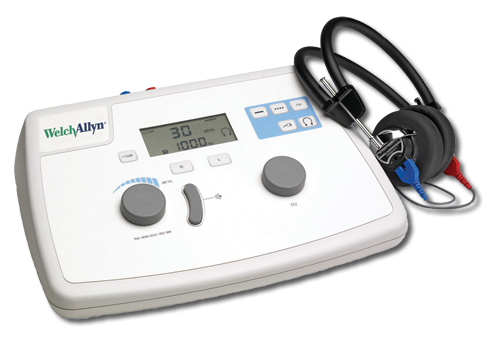
Before selecting a hearing aid, seeking a comprehensive hearing evaluation from an audiologist is crucial. The evaluation process involves several tests, each designed to assess different aspects of an individual’s hearing:
1. Pure Tone Audiometry: This test measures an individual’s ability to hear various sounds at different frequencies.
2. Speech Audiometry: This test evaluates an individual’s ability to understand spoken words in quiet and noisy environments. It can help the audiologist understand the specific areas that need improvement with hearing aids.
3. Immittance Testing: This test measures the function of the middle ear and helps diagnose problems like earwax buildup or eardrum perforation. By evaluating the eardrum and middle ear, the audiologist understands if the hearing loss is conductive or sensorineural.
4. Otoacoustic Emissions (OAEs) and Auditory Brainstem Response (ABR): These are non-intrusive tests that assess how well the cochlea and auditory nerve respond to sound stimuli, respectively. These tests help determine if the hearing loss is sensorineural.
After these tests, the audiologist will understand the degree and type of hearing loss the person is experiencing. This information will significantly guide the hearing aid selection process, helping them choose the appropriate device for their needs.
Choosing the right hearing aid can be a daunting task with the wide range of options available on the market. Several factors need to be considered to make an informed decision. Here, we will discuss five vital considerations that you should focus on when selecting a hearing aid that best suits your needs:
Hearing aids come in various styles, making it essential to choose one that best fits your needs and preferences. They range from completely-in-the-canal (CIC) devices, which are often the smallest and least visible, to behind-the-ear (BTE) models that are more visible but have features such as directional microphones.
Another consideration is your overall comfort. Ear molds can be designed to fit your ear perfectly to ensure a secure and comfortable fit. Additionally, the size and shape of your ear canal will also impact which style of hearing aid will be the best fit for you.
As technology advances, hearing aids are becoming more sophisticated, with features to suit various listening situations. Some of the key features you might want to consider include:
Hearing aids can vary widely in price, ranging from a few hundred to a few thousand dollars depending on the features and technology. While the cost might be a significant factor in your decision, it’s crucial to balance it against the hearing aid’s quality and effectiveness. A well-fitted and highly functional hearing aid will typically be worth the investment, improving your overall quality of life and communication with others.
To gather the necessary information to make an informed decision on which hearing aid to choose, there are several steps you can take:
When evaluating potential hearing aids, it’s important to consider a few critical factors:
By taking the time to research and compare your options, you can confidently select a hearing aid that fits your needs and preferences, improving your overall quality of life and communication.
Ensuring a comfortable and effective hearing aid fit is crucial for your overall experience. Professional help from an audiologist or hearing instrument specialist plays a key role in this process.
The fitting process typically includes the following steps:
Hearing aids should be fitted and adjusted only by a professional to ensure the best results. Mis-fitting or mis-adjusting can lead to discomfort and poor hearing improvement.
Adjusting your hearing aid is a continuous process. Always follow up with your audiologist to fine-tune your hearing aid:
The frequency of these adjustments can vary greatly depending on factors such as the severity of your hearing loss, changes in your hearing over time, and your personal comfort with the device.
Patients should communicate any concerns or issues regarding their hearing aids with their audiologist, who can provide further adjustments and guidance. It is important to consider hearing aid fittings as a partnership between you and your healthcare provider to achieve the best hearing outcomes.
Using a hearing aid for the first time can be an adjustment. As with any new device, getting used to it may take some time. It’s vital to have realistic expectations and patience throughout the process.
Adapting to a new hearing aid can vary from person to person. Some people may take just a few days, while others may take a few weeks or even months. It’s important to remember that this is a normal part of the process and to be patient with yourself. During this time, the brain has to relearn how to interpret sounds, and this can take time.
There are several challenges new hearing aid users may face. Here are some of them and how to tackle them:
It’s essential to have open communication with your audiologist during this period. Share any concerns or issues that you face and seek professional help. They can make adjustments to the device to ensure it fits your needs perfectly. Remember, regular follow-ups with your audiologist are very important, even after the initial fitting of the hearing aid. The audiologist can make necessary adjustments as your hearing needs evolve.
In conclusion, adapting to a new hearing aid is a process that allows you to experience a more profound hearing capability. It necessitates patience and professional assistance. Don’t hesitate to communicate openly with your audiologist and keep in mind that the aim is to enjoy a better hearing experience with a comfortable, well-fitted device.
Proper care and maintenance of your hearing aids are essential to ensure their longevity, optimal performance, and clear sound quality. Below, we discuss the importance of keeping your hearing aids clean and dry, routine cleaning and maintenance procedures, troubleshooting common issues, and the benefits of utilizing supplementary accessories such as a hearing aid drying kit.
Appropriate maintenance practices can extend the lifespan of your hearing aids. Some necessary steps to follow are:
According to a quote from the American Speech-Language-Hearing Association (ASHA), “Regular cleaning and removal of earwax from hearing aids is essential for optimal hearing aid performance and to prevent mechanical problems”.
At times, hearing aids may face problems such as battery issues, broken parts, or clogged tubing. Here are some tips to troubleshoot these issues:
To further maintain and protect your hearing aids, consider investing in specific accessories such as a hearing aid drying kit. A drying kit helps to remove moisture from the devices and prevent corrosion, extending their life and ensuring optimal performance.
| Accessory | Purpose |
|---|---|
| Hearing aid drying kit | Removes moisture and prevents corrosion |
| Hearing aid dehumidifier | Preserves optimal performance by reducing humidity |
| Hearing aid desiccant pellets/packets | Absorbs moisture from the device |
In addition to these, other accessories like carrying cases and travel kits can be beneficial for safeguarding and conveniently carrying your hearing aids.
When considering the purchase of hearing aids, one important aspect to think about is how to cover the costs of these devices. Hearing aids can be expensive, and many individuals may not be able to afford them on their own. However, there are several financial options available to help make hearing aids more accessible.
Many insurance companies offer some level of coverage for hearing aids. The specifics of these policies can vary widely, so it is crucial to review your individual insurance plan carefully. Some insurance companies may provide full coverage for hearing aids, while others may only contribute a portion of the cost. In some cases, insurance providers may also have specific requirements for coverage, such as specifying the type of hearing aid or provider that must be used.
In addition to private insurance, certain government programs may also provide assistance for hearing aids. For example, the Veterans Administration (VA) offers hearing aid coverage to eligible veterans. Social Security Disability Insurance (SSDI) and Supplemental Security Income (SSI) may also provide resources to help cover hearing aid costs for eligible individuals.
Many hearing aid manufacturers and retailers offer payment plans or financing options to help make these devices more affordable. These options can vary, so it is essential to do your research and discuss potential payment arrangements with your audiologist or hearing instrument specialist.
Some providers offer interest-free payment plans, while others may require interest on top of the principal amount. It is essential to understand the terms and conditions of any financing agreement you enter into, as you’ll need to ensure you can afford your monthly payments.
If your insurance provider does not provide coverage for hearing aids or you have concerns about affordability, you may wish to consider negotiating with your insurer or seeking financial assistance. In many cases, express your concerns and ask for reconsideration. Patient advocacy organizations and nonprofit groups may offer assistance finding funding sources for hearing aids.
Some patients may also want to seek guidance from their hearing care professional about negotiating with insurance companies or navigating financial difficulties. Audiologists and hearing instrument specialists can often provide insights based on their experience and industry knowledge.
While hearing aids can be costly, various financial options and resources are available to help make them more affordable. It is crucial to thoroughly research insurance coverage options, explore payment plans, and speak to your hearing care specialist about navigating these challenges. By being well-informed and proactive, you can ensure that you can access the hearing aids you need to improve your hearing and overall quality of life.
Category: Audiology
© 2026 www.audresources.org. All rights reserved.