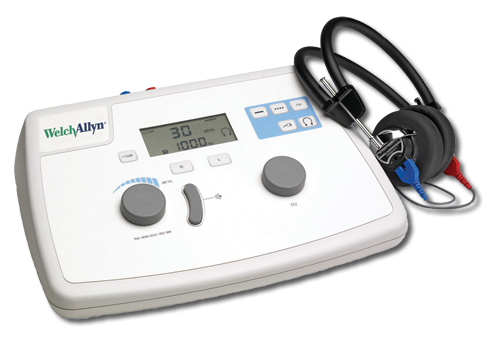
An audiologist is a vital healthcare professional specializing in the diagnosis and treatment of various auditory and balance disorders. These specialists collaborate with patients across different age groups, starting from infants and extending to the elderly. Audiologists operate in various settings, including private practices, hospitals, schools, and other healthcare facilities.
The role of an audiologist is significantly important, as the ability to hear and communicate effectively can greatly affect a person’s emotional and mental wellbeing, as well as their overall quality of life. Audiologists help individuals to understand and address their hearing difficulties and suggest appropriate solutions, such as hearing aids or cochlear implants, to enhance communication capabilities.
In addition to diagnosing and treating auditory and balance disorders, audiologists also play a crucial role in helping patients manage their hearing issues holistically. This includes educating patients on the importance of protecting their hearing by advising them on safe listening practices, minimizing exposure to excessively loud noise, and taking precautions during water-based activities to prevent otitis externa. Audiologists may also provide support and resources for patients with hearing impairments to help them adapt to their condition and access necessary communication tools and technology.
Moreover, audiologists often collaborate with other healthcare professionals as part of a multidisciplinary team. In pediatric settings, they may work with speech-language pathologists, occupational therapists, and educators to provide comprehensive support to children with hearing impairments. Similarly, in geriatric settings, audiologists may collaborate with physicians and nursing staff to address the hearing needs of older adults. This collaboration allows for a more cohesive and effective approach to patient care, with audiologists playing a pivotal role in such teams.
In conclusion, the role of an audiologist is crucial in improving the lives of individuals experiencing auditory and balance disorders. Audiologists contribute significantly to patients’ well-being through accurate diagnosis, effective treatment strategies, preventive measures, and essential education, ensuring they can lead more fulfilling lives. Their expertise is essential for patients and their families, and their contributions to the healthcare industry are invaluable.
In order to practice as an audiologist, one must possess a robust educational foundation. In the United States, the entry-level requirement for this profession is a doctoral degree in audiology, a comprehensive program that blends theoretical instruction with clinical experience.
A Doctor of Audiology (AuD) program is designed to prepare students for the challenges of diagnosing and treating auditory and balance disorders. The curriculum typically includes:
In addition to classroom learning, students complete clinical rotations, which are essential for gaining hands-on experience with patients. These rotations are often conducted in a variety of settings, such as hospitals, private practices, schools, and ENT clinics.
After completing the doctoral program, aspiring audiologists must earn the appropriate licensure or certification, which varies by state. The American Speech-Language-Hearing Association (ASHA) offers the Certificate of Clinical Competence in Audiology (CCC-A), which is highly regarded in the field. To obtain this certification, candidates must:
In addition to ASHA certification, audiologists may need to obtain a state license to practice. The requirements for licensure often include passing a state-specific examination and adhering to the continuing education requirements set by the state board of audiology.
Therefore, the journey to becoming an audiologist is rigorous and requires a commitment to lifelong learning. The combination of a doctoral degree with relevant clinical experience and licensure ensures that audiologists are equipped with the knowledge and skills necessary to provide the highest level of care to their patients.
Advancements in technology, particularly in the field of hearing aids and cochlear implants, have had a significant impact on the career trajectory of audiologists. These innovations create opportunities for specialization, research, and development, and ultimately influence the direction an audiologist’s career may take. Audiologists play a critical role in their patient’s lives, helping them improve their hearing and communication abilities, and thus, they must stay abreast of the latest technological developments to offer the best possible patient care.
One of the most notable areas of technological advancement in audiology is in hearing aid technology. The introduction of digitally programmable hearing aids and other assistive listening devices has revolutionized how auditory disorders are treated. Some of the key advancements in hearing aids include:
Another area of significant technological advancement in audiology is in the development of cochlear implants. Cochlear implants are electronic devices that help provide a sense of sound to a person who is profoundly deaf or severely hard of hearing. The key advancements in cochlear implant technology include:
To keep up with these technological advancements, audiologists must remain committed to continuous learning. This may involve attending professional conferences, participating in workshops, or pursuing advanced certification courses. Audiologists must be proactive in staying up-to-date with the latest trends and treatments in their field and be willing to adapt their practices accordingly.
Collaboration between audiologists, manufacturers, and researchers is also essential in ensuring continued advancements in hearing technology. By sharing insights, experiences, and feedback, audiologists can contribute to the development of more effective and user-friendly devices for their patients.
The impact of technological advancements on the career trajectory of audiologists cannot be overstated. By staying abreast of these advancements, audiologists can provide the best possible patient care and contribute to ongoing improvements in hearing technology. As new innovations continue to emerge, the field of audiology will continue to expand, offering exciting and rewarding opportunities for professionals in this vital discipline.
In the world of audiology, communication skills, empathy, and patience play a crucial role in ensuring a successful and thriving career. Individuals who develop strong soft skills can better cater to their clients’ needs, facilitate effective communication about their condition, and help patients overcome their auditory and balance disorders. This section will explore these vital soft skills in more detail and discuss their significance in the field of audiology.
Audiologists face a unique challenge when it comes to communication: effectively explaining complex auditory and balance disorder concepts to patients and their families. Establishing a clear and concise method of communication is critical to ensure understanding, foster trust, and establish rapport. This includes:
Hearing impairments and balance disorders can lead to significant emotional and mental stress for patients. Audiologists must exhibit empathy and patience when interacting with their clients, helping them feel validated and understood. By demonstrating empathy and patience, audiologists can positively impact their patients’ emotional and mental wellbeing, while also maintaining a strong and trusting professional relationship.
By employing empathy, patience, and active listening, audiologists can build a robust client base and maintain lasting, meaningful relationships with their patients. Developing these skills has a series of benefits, such as:
Exemplary soft skills can make or break an audiologist’s career. By consistently honing these invaluable abilities, audiologists can continue to strengthen their client relationships and provide high-quality care to their patients. Some strategies for improving soft skills include:
In conclusion, the importance of soft skills and communication in the field of audiology cannot be overstated. By developing and nurturing these crucial abilities, audiologists can create an environment that is both compassionate and supportive, ultimately ensuring better outcomes for their patients and a more fulfilling career.
Maintaining a healthy work-life balance is essential for any profession, and audiologists are no exception. Being a healthcare professional, an audiologist’s work can be both physically and emotionally demanding, requiring long hours on their feet, hands-on interaction with patients, and dealing with technologically advanced equipment. This point of discussion will explore whether audiologists achieve a satisfactory work-life balance and offer strategies to maintain or improve it.
In summary, work-life balance for audiologists can be challenging, but not impossible to achieve. With strategies like setting realistic working hours, incorporating wellness practices, fostering professional relationships, maintaining boundaries, and seeking out flexible work arrangements, audiologists can balance their personal and professional lives more effectively. By implementing these tactics, audiologists can maintain a successful and satisfying career, while also valuing their personal wellbeing.
The field of audiology offers promising salary and job prospects. According to the latest report from the Bureau of Labor Statistics (BLS), the median annual wage for audiologists was $77,600 in May 2019, which is well above the national average for all occupations. However, there are several factors that can influence one’s earnings in this profession.
The job outlook for audiologists is expected to grow at a rate of 8% from 2019 to 2029, which is much faster than the average for all occupations. Several factors contribute to this projected growth:
To better understand the earning potential in the field of audiology, consider researching salary ranges for audiologists in your area or desired location. Websites like Glassdoor, PayScale, and the BLS Occupational Outlook Handbook provide valuable information on salary ranges for various professions, including audiology.
For those considering a career in audiology, the promising salary and job prospects make this profession a rewarding choice, both financially and emotionally, as audiologists play a crucial role in improving the lives of those with hearing and balance disorders.
As with any profession, audiologists face a range of challenges that require creative solutions and diligent effort. By examining these obstacles and understanding the best practices to overcome them, professionals in the field can enhance their ability to provide top-notch care to their patients.
One of the most significant hurdles audiologists face today is dealing with the complexities of healthcare insurance. Payers and coverage for audiology services can vary widely, making it challenging to ensure patients receive the care they need without undue financial burden.
“Navigating the insurance maze is an ongoing challenge, but being familiar with your patients’ insurance policies and staying updated on coding requirements can help ensure successful claims.” – American Speech-Language-Hearing Association (ASHA)
To tackle this challenge, audiologists can:
Audiologists must stay abreast of the latest research, innovations, and regulations in their field to provide the best possible patient care. However, keeping up with this information can be time-consuming and difficult, especially amidst the pressures of daily practice.
To address this issue, audiologists can:
In some cases, audiologists may encounter limited resources, particularly in rural or underserved areas. Smaller budgets and reduced access to specialized equipment and services can pose a challenge to providing comprehensive care.
Strategies to handle limited resources include:
In conclusion, while challenges faced by audiologists may be significant at times, they can be overcome by adopting best practices, fostering collaboration, staying informed, and embracing the ever-evolving world of audiology. With the right mindset and a commitment to excellence, professionals in the field will continue to provide superior care and make a meaningful difference in the lives of their patients.
Category: Audiology
© 2026 www.audresources.org. All rights reserved.