In recent years, there has been a significant increase in the demand for audiologists in educational settings, largely due to the rising incidences of hearing impairments and associated learning difficulties among students. This growing need is also driven by the increasing awareness of the importance of early intervention and the impact that hearing loss can have on academic performance. As a result, the presence of audiologists in schools, colleges, and universities is becoming more essential, enabling them to play a crucial role in the educational experiences of students with hearing impairments.
One of the primary reasons for the increasing demand for audiologists in education settings is the prevalence of hearing impairments in students. According to the World Health Organization, over 34 million children worldwide have hearing loss, and this number is expected to grow in the coming years. These students face unique challenges in the classroom, including difficulties in speech perception, language development, and social interaction. By addressing these challenges and providing support to students with hearing impairments, audiologists can help to ensure that they receive an equal education and have the opportunity to reach their full potential.
Another motivating factor behind the growing demand for audiologists in education is the importance of early intervention in addressing hearing impairments. Studies have shown that early intervention can significantly improve the language, cognitive, and academic outcomes for students with hearing loss. By identifying and addressing hearing impairments at an early age, students can receive the necessary support and accommodations to improve their educational outcomes. In this regard, audiologists play a key role in early intervention, making accurate diagnoses and recommending appropriate interventions for students with hearing impairments.
In addition to addressing hearing impairments, audiologists can also play a critical role in improving the overall educational experience for students in schools, colleges, and universities. They can create a more inclusive learning environment by working closely with educators, sharing knowledge and expertise, and providing training and support to teachers and staff. This collaboration between audiologists, educators, and other professionals contributes to better understanding and addressing students’ unique learning needs, ultimately enhancing the overall effectiveness of the educational environment for students with hearing impairments.
In conclusion, the growing need for audiologists in educational settings is driven by the increasing rate of hearing impairments among students, the importance of early intervention in addressing these impairments, and the ongoing need for a more inclusive and supportive learning environment. By addressing these challenges and providing the necessary support and accommodations, audiologists can play a crucial role in shaping the educational experiences of students with hearing impairments and contributing to their academic success.
Audiologists play a crucial role in diagnosing and treating hearing impairments in educational settings. They are responsible for identifying, assessing, and diagnosing hearing impairments, along with ensuring accurate diagnoses and providing necessary hearing aids or listening devices. The work of audiologists in this context significantly impacts the learning experiences of students with hearing difficulties.
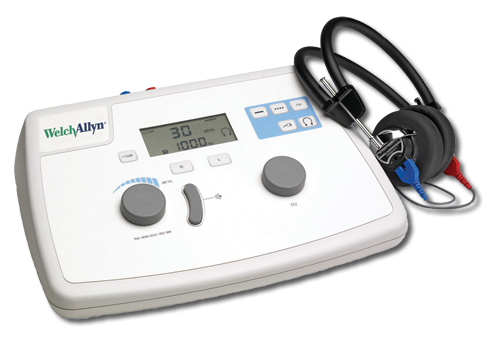
In order to determine the extent of a student’s hearing impairments, audiologists perform various tests and assessments. A prominent assessment tool used in educational settings is the pure-tone audiometry test, which measures a person’s ability to perceive different sound frequencies. This test is particularly useful in determining the type and degree of hearing loss a student may be experiencing. (1)
Another essential test that audiologists utilize is the speech reception threshold (SRT) test, which helps identify the quietest level at which a person can understand spoken words correctly. This test enables audiologists to assess a student’s speech comprehension abilities, providing valuable information regarding appropriate recommendations for hearing aids and other assistive technologies. (1)
Once audiologists have acquired the necessary information through various assessments, they proceed to diagnose and classify hearing impairments. This process is critical, not only for prescribing the appropriate treatment but also for developing and implementing individualized educational plans for students. (2)
Early intervention plays a vital role in maximizing the potential for a student’s academic success. The earlier a hearing impairment is diagnosed and addressed, the more effectively audiologists—in collaboration with other educational professionals—can mitigate potential barriers in the learning environment and establish a strong support system for students with hearing difficulties. (3)
In conclusion, audiologists hold a crucial role in assessing and diagnosing hearing impairments in educational settings. Their work provides essential evaluations, diagnoses, and interventions for students with hearing difficulties, ultimately improving the quality of education and helping students to achieve greater academic success. (4)
Effective collaboration between audiologists and educators is essential for creating an inclusive and supportive learning environment for students with hearing impairments. By working closely together, audiologists and educational professionals can better understand and address the unique needs and challenges of these students, leading to improved academic performance and overall well-being.
This collaboration is crucial in providing students with hearing impairments the resources and support they require to thrive academically. By working hand in hand, audiologists and educators can create a more inclusive and supportive learning environment for all students.
Audiologists play a pivotal role in ensuring the quality of education for students with hearing impairments. One way they do this is by providing training and support to teachers and staff who work with these students. By doing so, they help educators better understand and address the challenges faced by students with hearing difficulties.
Training sessions are tailored to meet the needs of educators who work with students with hearing impairments, as well as school staff who may come into contact with these students. This helps create a more inclusive and supportive learning environment.
Here are a few key aspects that such training sessions cover:
The impact of audiologists’ training and support on teachers and staff working with students with hearing impairments is significant. By fostering a better understanding of the challenges faced by these students, educators are better equipped to provide tailored support and accommodations in the classroom.
Here are a few ways that audiologists’ support can positively impact the educational environment for students with hearing issues:
By providing training and support for teachers and staff, audiologists can significantly enhance the educational experiences of students with hearing impairments. This ensures the overall effectiveness of the educational environment for all students, including those with hearing difficulties.
An important aspect of audiologists’ role in educational settings is the development of individualized educational plans and accommodations for students with hearing impairments. Tailoring plans to meet the specific needs of each student can significantly improve their educational experience and overall academic success.
To develop suitable individualized educational plans, audiologists must work closely with educators and parents to understand the student’s unique challenges and strengths. Common elements of personalized plans for students with hearing impairments may include:
Accommodations provided to students with hearing impairments can vary depending on the student’s specific needs and the school environment. Some common types of accommodations include:
By developing individualized educational plans and accommodations, audiologists can play an essential role in ensuring that students with hearing impairments have equal opportunities to succeed academically and thrive in their educational environment. By working collaboratively with educators and other professionals, audiologists can contribute to creating inclusive and supportive learning environments that meet the unique needs of each student.
With the increasing presence and significance of audiologists in educational settings, it is crucial to continuously monitor the progress of students with hearing impairments. This not only ensures that implemented strategies are effective but also allows for the timely adjustment of interventions as required.
The American Speech-Language-Hearing Association (ASHA) emphasizes the importance of regular assessment and evaluation of students’ progress in educational settings. This requires collaboration among audiologists, teachers, and other educational professionals who work closely with students with hearing impairments.
Monitoring progress and adjusting interventions are key components of a successful plan for students with hearing impairments. Some ways in which progress is monitored include:
As Going to School: What every parent of a child with hearing loss should know by Berta Ferdman, states, “The success of a student with hearing loss depends largely on good communication among parents, professionals, and teachers.” This highlights the significance of audiologists, teachers, and other educational professionals working together to make informed decisions regarding intervention strategies.
Research conducted by Dr. Melissa Westerman and colleagues reveals that early intervention and appropriate support can have a considerable positive impact on the educational performance of students with hearing impairments. Consequently, it becomes essential to monitor students’ progress closely and make necessary adjustments to interventions.
In conclusion, monitoring the progress of students with hearing impairments and making necessary adjustments to interventions are crucial aspects of audiologists’ work in educational settings. With continued collaboration among audiologists, teachers, and other educational professionals, students with hearing impairments can experience success in their academic pursuits and feel supported in their educational journey.
Audiologists play an indispensable role in promoting inclusive and accessible education for students with hearing impairments and raising awareness about these impairments. Their efforts range from advancing the adoption of evidence-based practices to participating in policy development and educating communities about hearing impairments and the importance of early intervention.
Audiologists work diligently to ensure that schools, colleges, and universities provide an inclusive and accessible learning environment for all students, including those with hearing impairments. This involves advocating for the implementation of assistive listening devices, providing sign language interpreters and offering specialized support services. By doing so, audiologists help foster an educational landscape where students with hearing impairments can succeed and reach their full potential.
As an example, the American Speech-Language-Hearing Association (ASHA) offers resources and guidelines to help educational institutions create an inclusive environment for students with hearing impairments.
Audiologists actively participate in policy development efforts to advance legislation and regulations that support students with hearing impairments. By collaborating with lawmakers and policymakers, they contribute to the creation of policies that mandate the provision of appropriate accommodations and services, ensuring that these students have access to the resources they need to succeed academically.
A notable example of audiologists’ advocacy efforts is the Achieve Act, which promotes state legislation to ensure audiology services are covered by health insurance and that certified and licensed audiologists can provide these services in states where they are licensed.
Audiologists also take on the responsibility of educating both educators and the wider community about hearing impairments, the challenges faced by those with such impairments, and the importance of early intervention. They do this through public workshops, online resources, and informational campaigns on social media platforms.
By raising awareness, audiologists help to reduce the stigma surrounding hearing impairments and encourage improved communication and understanding. Better knowledge of hearing impairments and early intervention can enable educators and the community to support students more effectively.
For example, the World Health Organization (WHO) provides recommendations on steps to address hearing loss, highlighting the importance of education and early identification to improve the lives of those affected.
In conclusion, audiologists play a pivotal role in promoting accessible education, raising awareness about hearing impairments, and advocating for the rights of students with these challenges. Through their efforts, they continually work to ensure that students with hearing impairments can access high-quality education, have equal opportunities, and achieve their goals, contributing to a more inclusive society.
Category: Audiology
© 2026 www.audresources.org. All rights reserved.