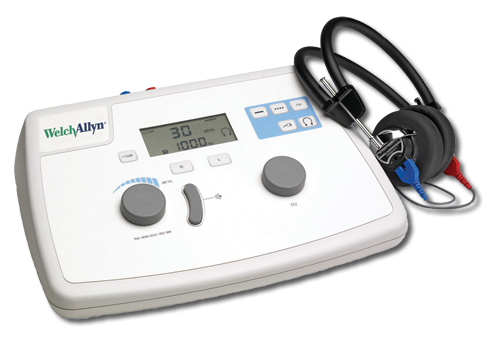
In public health initiatives, audiologists play a critical role by working tirelessly to identify, diagnose, and treat hearing disorders.
Their ability to recognize and diagnose hearing loss is crucial for a number of reasons, many of which are more far-reaching than one might initially assume.
For starters, untreated hearing loss can have a significant impact on mental and emotional well-being.
It can lead to feelings of isolation, anxiety, and depression, which can greatly impact a person’s overall quality of life.
By identifying and treating hearing loss, audiologists can help prevent these adverse mental health effects from occurring.
In addition to diagnosing and treating hearing loss, audiologists also play a crucial role in raising awareness about the impact of hearing loss on mental and emotional well-being.
They work to educate the public on the importance of early detection and intervention.
By doing so, they can help reduce the overall prevalence of hearing loss and improve the quality of life for those affected by the condition.
Audiologists are highly specialized professionals with a broad scope of practice.
Among their other responsibilities, they design and implement hearing screening programs, provide counseling on hearing loss and communication strategies, and fit and dispense hearing aids and cochlear implants.
They are also experts in the prevention of hearing loss, such as through noise-induced hearing loss prevention programs.
Audiologists’ expertise and dedication to public health efforts are invaluable in improving hearing health and preventing hearing loss worldwide.
In this way, audiologists are essential to the successful implementation of public health policies and strategies that aim to address hearing-related issues and promote better hearing health for all.
In the realm of public health, audiologists play a significant role alongside other healthcare professionals. Integrating different perspectives and experiences helps create a more cohesive care system, targeting a wider range of hearing-related disorders and promoting greater awareness about hearing health and audiology services.
Audiologists often collaborate with various healthcare professionals to ensure patient care is holistic, tailored to each individual’s requirements, and accessible. This approach may involve working closely with professionals such as:
Creating and maintaining partnerships within the healthcare sector are vital to improving the provision of hearing-related healthcare services. Audiologists can establish links with schools, community centers, and non-profit organizations, allowing hearing healthcare services to be more accessible to people in need. Some partnerships can include:
To create an integrated care system that focuses on hearing healthcare, collaboration and communication between audiologists and other healthcare professionals must be strengthened. This process starts with several key steps:
Audiologists play a crucial role in improving public health by initiating and participating in various public health campaigns. These initiatives target multiple areas such as noise-induced hearing loss prevention, early hearing detection and intervention, and promotion of healthy communication and listening habits. By analyzing some of the campaigns led by audiologists, it becomes evident that their contribution is critical to enhancing accessible and affordable hearing healthcare for the wider population.
Noise-induced hearing loss (NIHL) is a significant public health concern due to its prevalence and preventable nature. According to the World Health Organization (WHO), over 1 billion young adults are at risk of permanent hearing loss due to unsafe listening practices. To address this issue, audiologists have been actively involved in creating awareness campaigns to educate people about the risks of exposure to loud noise and the measures they can take to protect their hearing.
Early identification and intervention for hearing loss in infants are essential for optimal speech and language development. Audiologists have been pivotal in developing and promoting newborn hearing screening and early intervention programs. The Early Hearing Detection and Intervention (EHDI) programs currently in place in various countries aim to identify hearing loss in newborns, typically within the first month of life. By detecting hearing loss early, interventions such as cochlear implants or hearing aids can be initiated promptly, improving long-term outcomes for affected children.
Audiologists actively participate in campaigns that promote healthy communication and listening habits. Such initiatives often focus on strategies to optimize communication for those with hearing loss, as well as precautions to protect the hearing of individuals in noisy environments. For instance, many audiologists support the “Hear Well, Live Well” campaign, which provides guidelines and resources for individuals to maintain healthy hearing habits throughout their lives.
Audiologists’ involvement in these campaigns enhances the understanding of and access to hearing-related resources for the wider population. By participating in these public health initiatives, audiologists contribute significantly to the improvement of global hearing health and the overall well-being of individuals.
Hearing clinicians must closely monitor trends in hearing loss within their communities. Audiologists’ use various methods to track, monitor, and address fluctuations and hypertension levels within communities. This process includes refining registration systems, assembling information, and utilizing the specified statements to design or implement targeted interventions and educational initiatives.
Surveillance systems for hearing loss are instrumental in monitoring and addressing trends based on various factors, including age, occupation, and exposure to noise. With the help of these systems, audiologists can access unique data points to chart and understand trends in hearing loss. A well-designed surveillance system provides valuable inputs to design specific programs and strategies for hearing loss intervention and prevention.
Data collection is a comprehensive task that aids in decision-making processes. Audiologists need to be adept in aggregating valuable information from multiple sources that can be amalgamated to identify trends in hearing loss. Collected data must be managed according to a predetermined format to ensure the information remains relevant, updated, and useful.
Audiologists use the data gathered to create targeted programming and educational initiatives to curb and address hearing-related disorders. The trend-based information can be used to design, implement, and evaluate intervention-based programs to prevent the onset of hearing loss and engage the community in protective measures. Furthermore, understanding trends is vital for developing impactful public health policies and strategies.
With their pivotal role in the public health sector, audiologists work with stakeholders across multiple fronts to utilize this data effectively. Constant monitoring and analysis of hearing loss trends can effectively lead to a higher quality of life and better access to hearing healthcare services for individuals who are affected by hearing impairment.
Understanding the trends in hearing loss is crucial in addressing sporadic ailments or chronic cases, expanding targeted interventions, allocating resources efficiently, and creating awareness in the community. Understanding these trends better enables audiologists to develop relevant strategies and make a significant difference in public health initiatives worldwide. Consequently, audiologists with domain knowledge must be focused on analyzing and understanding these trends to create better public health strategies and policies.
The efforts of audiologists extend beyond direct patient care, as they also play a critical role in advocating for policy changes and an improved healthcare system. Audiologists contribute to lobbying for the expansion of hearing-related services, pushing for their inclusion in essential health packages at the local, regional, and global levels. Their expertise in hearing healthcare enables them to inform policymakers, healthcare providers, and the general public about the importance of early intervention and appropriate treatment of hearing disorders.
Audiologists engage in various advocacy strategies aimed at addressing hearing-related healthcare disparities. Some of these strategies include:
Over the years, the coordinated efforts of audiologists in advocating for policy changes have resulted in significant improvements in hearing healthcare. Some of these successes include the:
However, despite these accomplishments, audiologists have faced challenges in their advocacy work. Some of the main obstacles include:
In conclusion, audiologists have a vital role to play in advocating for policy changes and a better healthcare system. By utilizing their expertise and working in collaboration with other stakeholders, they can contribute to the development of more comprehensive, accessible, and effective hearing healthcare services.
To enhance the capacity of audiologists and related community healthcare workers, there is a need for ongoing training and development initiatives. These programs aim to equip professionals with the necessary skills to diagnose, treat, and prevent hearing disorders effectively. In this section, we will explore current training initiatives, discuss strategies for improving knowledge, efficiency, and effectiveness of professionals, and highlight the importance of capacity building in hearing health services.
Around the world, various organizations and institutions are working to promote training and capacity building for audiologists and related healthcare workers. According to the World Health Organization (WHO), there is a global shortage of skilled audiology professionals. To address this issue, the following training initiatives have been established:
Several strategies can be implemented to improve training and capacity building for audiologists and related healthcare workers. These include:
| Strategies to Enhance Training | Benefits of Training |
|---|---|
| Partnerships with international organizations | Shared resources and specialized training programs |
| Mentorship and experiential learning | Skills development and practical exposure in diagnosing and treating hearing disorders |
| Communities of practice | Knowledge sharing, support, and continuous professional development |
Dr. Charles F. Berlin, an expert in audiology, emphasizes that “training is a critical component in increasing the workforce capacity required to address hearing disorders.” By focusing on enhancing training and capacity building for audiologists and related healthcare workers, we can ensure improved hearing healthcare services for the wider population.
The invaluable role of audiologists in enhancing overall public health has been highlighted through the course of this article. By emphasizing their expertise, collaboration with other healthcare professionals, involvement in public health campaigns, monitoring hearing loss trends, advocating for policy changes, and focusing on training and capacity building, audiologists play a crucial role in global improvements in hearing health.
“Together, audiologists, healthcare professionals, campaigners, and policymakers work tirelessly to ensure that hearing healthcare remains an integral part of public health worldwide.”
In conclusion, the role of audiologists in global improvements in hearing health cannot be overstated. By synthesizing and reiterating the importance of their contributions to public health initiatives, this article aims to emphasize the need for continued collaboration among all stakeholders to fully recognize and incorporate audiologists’ efforts in addressing hearing-related issues.
Moreover, it is crucial to promote and maintain a well-equipped workforce in the field by expanding training and capacity building initiatives for audiologists and related community health care workers. The improved knowledge, efficiency, and effectiveness of these professionals can significantly enhance the provision of hearing-related healthcare services and contribute to broader public health frameworks.
As we continue to advance in the field of hearing health and the numerous related public health benefits, let us acknowledge and commend the irreplaceable role that audiologists play in this vital pursuit.
Category: Audiology
© 2026 www.audresources.org. All rights reserved.